Brand designer here, sharing bite-sized brand news, creative receipts, and this-just-in consumer and media stats. Your shortcut to what’s shaping brand and digital culture. Sundays at 5.
🧑💻 Your next hire might be a Mac mini (Agentic AI 101)
|
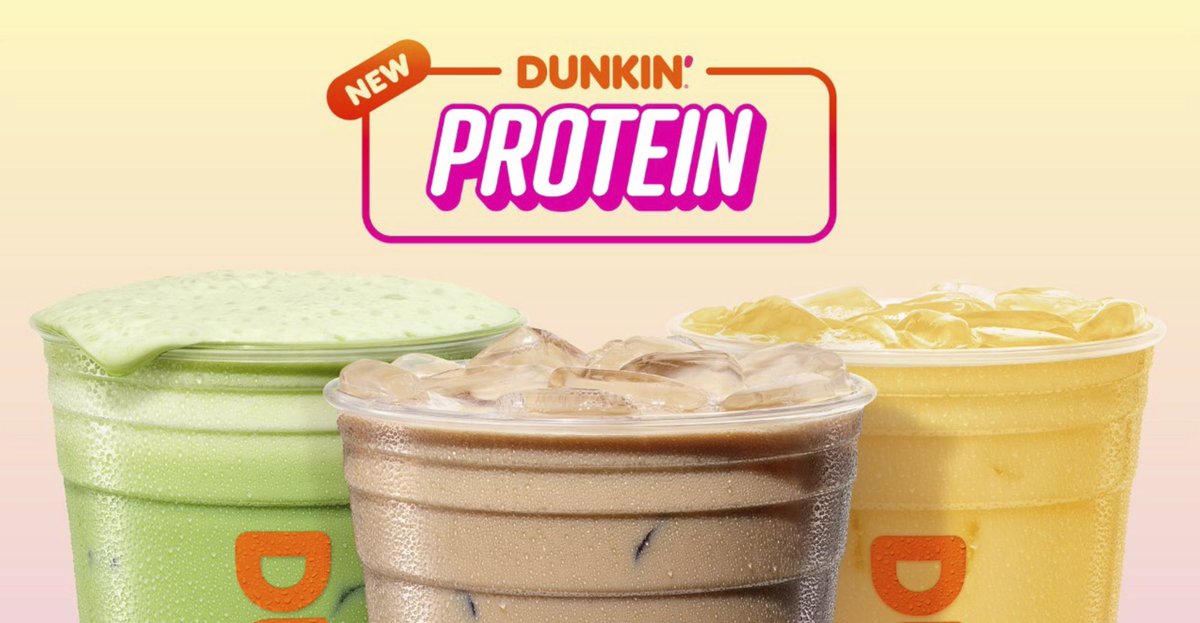
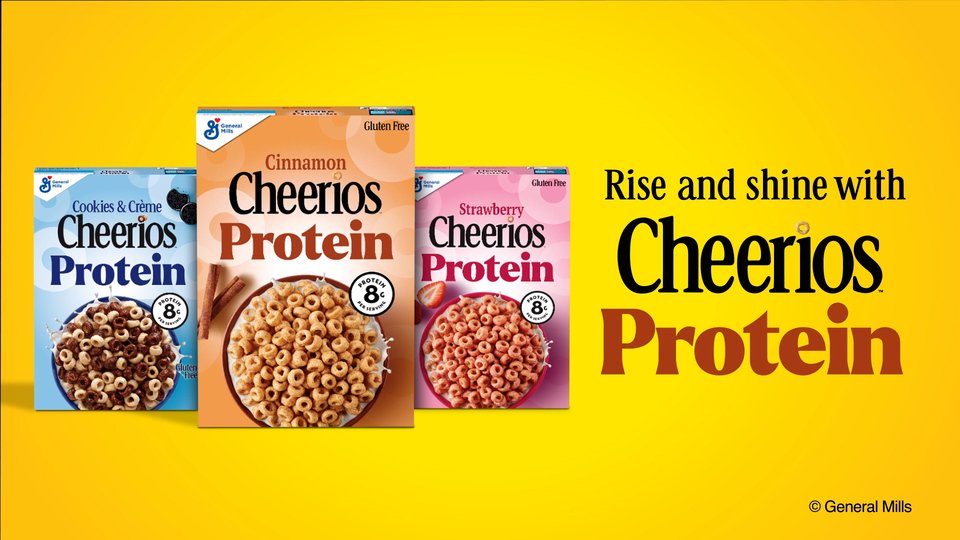
When the Internet becomes the brand product team, and why your new “team” might be on a Mac mini. 5 brand bytes to inform and inspire you this week: 1. Rare, but happening: ads have entered the AI chat.Ads in ChatGPT are here. And it’s a quiet rollout. Brands like Best Buy, Fiverr, and Expedia (and even The Knot) have already appeared. Their ads are inside prompt-related responses as part of OpenAI’s early ad pilot. But scale isn’t the strategy (yet). Here’s the data... An AI search intelligence platform (Adthena) analyzed more than 500 prompts and found ads surfaced in only 0.8% of ChatGPT’s responses. This signals quiet restraint, and likely testing, instead of AI-ad saturation. I also noticed in responses this week... Each answer now concludes with “If you want, I can also…” What follows has been compelling cliff-hangers related to my prompt or question. I’ve (so far) taken the bait 80% of the time. ChatGPT is teasing me to ask more, go deeper. And I can easily see these becoming a soft transition to ads down the line. But, back to the live ads. OpenAI says the goal is trust first. Their Ads & Monetization Lead said this: “...ads play an important role in continuing to support broad access to AI,” while keeping placements “separate and clearly distinct.” Enterprise brands are paying premium entry fees to enter AI conversations. Their starting costs? $200K. But ads in chat aren’t the only major AI rollout this month. A spike in *this* hardware device is driving weeks-long wait times because of AI, too. I’ll explain in Byte 4. 2. A new bucket list: The Internet joked. Dunkin’ launched it.Last summer, the Internet joked about coffee in a bucket. The idea went viral in 2025. Dunkin’ noticed. Took notes. And launched it in real life. Now testing across select MA and NH locations, Dunkin’ introduced a supersized 48-ounce “Beverage Bucket.” Life imitates (social media) art, as the brand turned a viral moment into a real menu item. The cold drink comes pre-filled, which means customizations are limited. Yes, arguably the most exciting and personal part of ordering coffee is gone (in bucket form, at least). But it’s a novel bucket, so maybe that makes up for it. The cost? About $10 for a bucket. Online reactions are mixed. In-store sales are not. Demand showed up fast, with stores selling out within days. For Dunkin’, this is social listening turned product strategy. Heinz pulled a similar move with its ketchup keg during the Super Bowl 🍅🍻 Dunkin’ hasn’t confirmed a nationwide rollout yet, but the brand is expected to tap in to customer feedback before expanding the bucket-test. Key takeaway: Social conversation now acts as early market validation. When the Internet makes up unique products (as a joke or even as click-bait), brands launch into demand already waiting. Welcome to modern R&D (research & development). 3. Protein everything: please, make it stop.Protein Doritos is where I draw the line. Social media find of the week:
4. Why everyone’s buying Mac minis.Something interesting is happening at Apple stores (and even at Best Buy). Early adopters are buying up all the Mac minis. A lot of them. Not for spreadsheets or casual Internet searches. For AI agents. One viral TikTok captured the confusion from Best Buy employees themselves as Mac mini demand surged, with one asking, “Is this some AI thing?” Yes, it is indeed some AI thing. And some Apple Store staff reported selling more units of Mac minis in the past two weeks than in the past two years. The recent spike in Mac minis traces back to OpenClaw, a new open-source agentic software that:
While OpenClaw technically released late last year, it’s rebranded twice in the past three months and went viral at the top of this month. OpenClaw is making agentic AI accessible to more people and is driving demand for high-memory Mac minis. To understand why any of this matters, it’s important to know the difference between generative AI (what you’re most likely used to) and agentic AI. 5. Generative AI vs Agentic AI.For the past two years, generative AI has changed how we work, search, and discover. Write a prompt → Get an output. Text, images, code, ideas on demand. But a new, emerging phase of AI has become more accessible: agentic AI. 👉 Generative AI creates. 👉 Agentic AI acts. Here’s what I mean… Generative AI models respond to instructions. You ask for a draft, a design, or a competitive analysis, and the LLM (large language model) produces it. Each step still depends on your human direction. It’s powerful, but reactive. Agentic AI moves differently. Instead of waiting for prompts, agentic systems receive a goal and determine how to achieve it. It can plan tasks, keep up with context, use software tools, and adapt as conditions change along the way. It’s proactive. The distinction: outputs versus outcomes. 👉 Generative AI gives you answers. 👉 Agentic AI gets things done. Companies like Microsoft, Google, and Salesforce are already embedding AI agents directly into their products and workflows. AI is moving from assistant to autonomous teammate. And Mac minis are in high demand because anyone can build their own AI agent at home now, too. Literally, people are naming their AI agents. I’ve seen it. Henry and Skippy are two names people have named their AI agents so far 🤭 Next week, I’ll share why *these* two Mac mini models specifically have weeks-long waitlists, why some people already have a second digital brain (a.k.a. an AI agent) quietly running inside their business and homes, and how anyone can too. P.S. What would *you* name your AI agent? More brand bytes next Sunday at 5! |



What I’d drop in the (brand) group chat
Brand designer here, sharing bite-sized brand news, creative receipts, and this-just-in consumer and media stats. Your shortcut to what’s shaping brand and digital culture. Sundays at 5.
Edition 109. A New Yorker moves to Texas. Then, for the first time in 53 years, the Knicks win the NBA championship. Over the San Antonio Spurs. The irony is personal. But the only allegiance I’m pledging right now? The off-season. For athletes, championships are won in the off-season. For business owners, same. ’Tis the season to clean our email lists, build the flows, tighten the brand story, and get the email channel ready. Because Q4 will be here faster than I can hop a plane back to New...
Edition 108. 5 brand bytes to inform and inspire you this week: 🎩 Owner, operator, creator (all the hats) Yunus E., Pexels / Edit by Shavaun If you’re feeling like your entrepreneurial load keeps expanding, it is. A new report says 73% of small business owners globally identify as content creators, to some degree. The modern biz owner is part marketer, media team, customer service, and systems operator. AI is helping, but the bigger shift is this: content is no longer a nice-to-have. It’s how...
Edition 107. 5 brand bytes to inform and inspire you this week: 🔁 Amazon’s change of plans Amazon The consumer market will have lots of motion come end of June: World Cup, Fourth of July, summer’s start. So, Amazon said: change of plans. After five years in July, Prime Day is moving back to June for the *first time* since 2021. Mark June 23–26, if you’re shopping. Or, run your own promo. Prime Day tends to put consumers in an online spending mood. ⚽ World Cup and the brand playground...